

Running a small business means every decision counts.
A lot of small business owners assume mobile apps are something only large brands need to worry about. That assumption costs them customers every week.
The reality is different. Large companies moved to mobile early because the numbers made sense, but those same numbers apply equally to a local restaurant, a boutique, or a one-person service business. Most small business owners just have not looked at the data yet. This guide on creating a mobile app is a good place to start.
If you already have a website, that is a good start. But a website and a mobile app serve different purposes, and the distinction matters more than most people realize.
Here’s why:
- Visibility: Customers who have your app installed are far more likely to return. Your icon on their home screen is a constant, zero-cost reminder of your business.
- Retention: Push notifications let you communicate offers and news directly to people who have already bought from you, with no ad spend required.
- Timing: Location-aware features let you reach customers when they are physically close to your business, turning proximity into purchases.
- Personalization: An app can adapt to each customer’s behavior, surfacing the products and offers most relevant to them based on past interactions.
👉🏾 Other Appbuilder24 Users Also Read: The Ultimate Guide to iPhone Screen Resolutions and Sizes in 2024
The size of your business is not the barrier. The right tools make mobile accessible to any business, and the cost of entry has dropped considerably in recent years.
best way to grow your small business with a mobile app
The shift to mobile is not a trend still arriving. It already happened. Smartphone penetration is at near-saturation levels in most markets, and people reach for their phones dozens of times each day before they open a laptop or desktop computer.
The figure that changes how you should think about this: roughly 90 percent of time spent on mobile devices happens inside apps, not in browsers. If your only digital presence is a website, you are competing in the 10 percent window.
Research from Google tracking mobile purchase behavior across multiple industries found that fewer than half of consumers began their shopping journey on desktop. The majority started on mobile, which means an app is often the first place a potential customer encounters your brand.
What this means practically is that mobile has become the primary channel for discovery and purchase decisions, not a secondary one. Here are the implications worth keeping in mind:
- Mobile Is Where Decisions Get Made: Consumers check prices, compare options, and complete purchases from their phones throughout the day. Geolocation-aware features let you insert your business into that process at the exact moment a customer is most likely to act.
- Apps Drive Unplanned Purchases: A well-timed push notification or personalized in-app offer can convert a casual browse into a completed sale. That conversion path is significantly harder to create through a website alone.
- Personalization Increases Average Order Value: Apps can track what individual users view, buy, and skip. That data lets you surface the right product to the right person at the right moment, which consistently outperforms generic promotions sent to your entire list.
Why Mobile Apps Still Matter, Even With a Successful Mobile Website
A high-converting mobile website is worth protecting, and a mobile app does not replace it. What an app adds is a separate channel with fundamentally different engagement characteristics that your website cannot replicate.
Mobile Website vs. Mobile App: Comparing Marketing Objectives, User Interaction, and Advantages
| Feature | Mobile Website | Mobile App |
|---|---|---|
| Marketing Objective | Attract new customers | Create loyal customers |
| Mechanism of Use | Tap the icon on a smartphone screen | Two-way, ongoing push notifications enabled |
| User Interaction | One-way, completion-based | Higher engagement, loyalty, and ease of use. App “lives” on the user’s device |
| Marketing Advantage | More responsive to search queries (in most cases) | Higher engagement, loyalty, and ease of use. App “lives” on the user’s device. |
Here is why a mobile app is worth adding even when your mobile website is already performing:
1. Deep Engagement and Push Notifications:
- An app lives on your customer’s home screen. That persistent presence builds habit: users check apps repeatedly without needing a search trigger. Your website requires them to remember you exist and actively navigate to it.
- Push notifications reach users regardless of whether the app is open. A well-timed message about a flash sale or a restocked item can drive a sale the same day, something email and social media cannot reliably replicate.
2. Increased Brand Loyalty:
- When an app reflects what a specific user cares about, whether through saved preferences, purchase history, or loyalty points, that user is less likely to switch to a competitor offering a more generic experience.
- Certain app features work without an active connection, which matters for customers in low-signal areas or situations where loading a browser page is slow or inconvenient.
3. Enhanced Functionality and Features:
- Native device access, including the camera, GPS, and microphone, lets your app do things a browser cannot. Scanning a barcode to check stock, photographing a product for a return request, or finding the nearest pickup location all require native device capabilities.
- Local storage means the app can cache content and respond instantly, rather than waiting for every action to complete a server round-trip. For content-heavy businesses, that speed difference is immediately noticeable to users.
4. Unique Marketing Opportunities:
- Loyalty programs, referral schemes, and in-app promotions are significantly easier to manage inside a dedicated app than through a general-purpose website or third-party platform.
- Every interaction inside your app generates usable data: what customers view, how long they spend on each screen, and where they drop off. That feedback loop helps you improve the experience over time without relying on third-party analytics tools.
A website and an app serve different stages of the customer relationship. Your website is where new visitors discover you through search. Your app is where existing customers engage repeatedly, and where your highest-value relationships are built and maintained.
Should Your Small Business Take the Mobile App Plunge?
Not every business will benefit equally from a mobile app. Before committing time and resources, it is worth being honest about whether your customers would actually use one and what specific value it would deliver to them.
Here are two key questions to consider:
- Would your customers benefit from reaching you outside business hours?: A restaurant that lets people book tables at midnight, a gym that delivers workout plans on demand, or a retailer that sends restock alerts all give customers a concrete reason to keep the app installed.
- Can you give users a reason to open the app repeatedly?: If the only function your app would serve is displaying your contact details and a map, a website does that just as well. The businesses that benefit most from apps are those that can offer ongoing value: fresh content, rewards programs, booking tools, or access to something exclusive.
- Is your company going to benefit from a mobile app?
The question of whether your business needs an app has a different answer for every industry. A retailer running a loyalty program will often see immediate, measurable results. A service business with repeat clients can use an app to streamline bookings and reduce no-shows.
A personal trainer can use an app to deliver custom workout plans, track client progress, and send check-in reminders. The app becomes part of the service itself, not just a promotional tool sitting alongside the real work.
👉🏾 Other Appbuilder24 Users Also Read: How do Free Apps Make Money in 2024? strategies Exposed
For product-based businesses, an app can serve as a direct channel that reduces dependence on marketplace platforms and keeps you in direct contact with your best customers. Define what success looks like before you build, so every feature decision during development points toward that specific outcome.
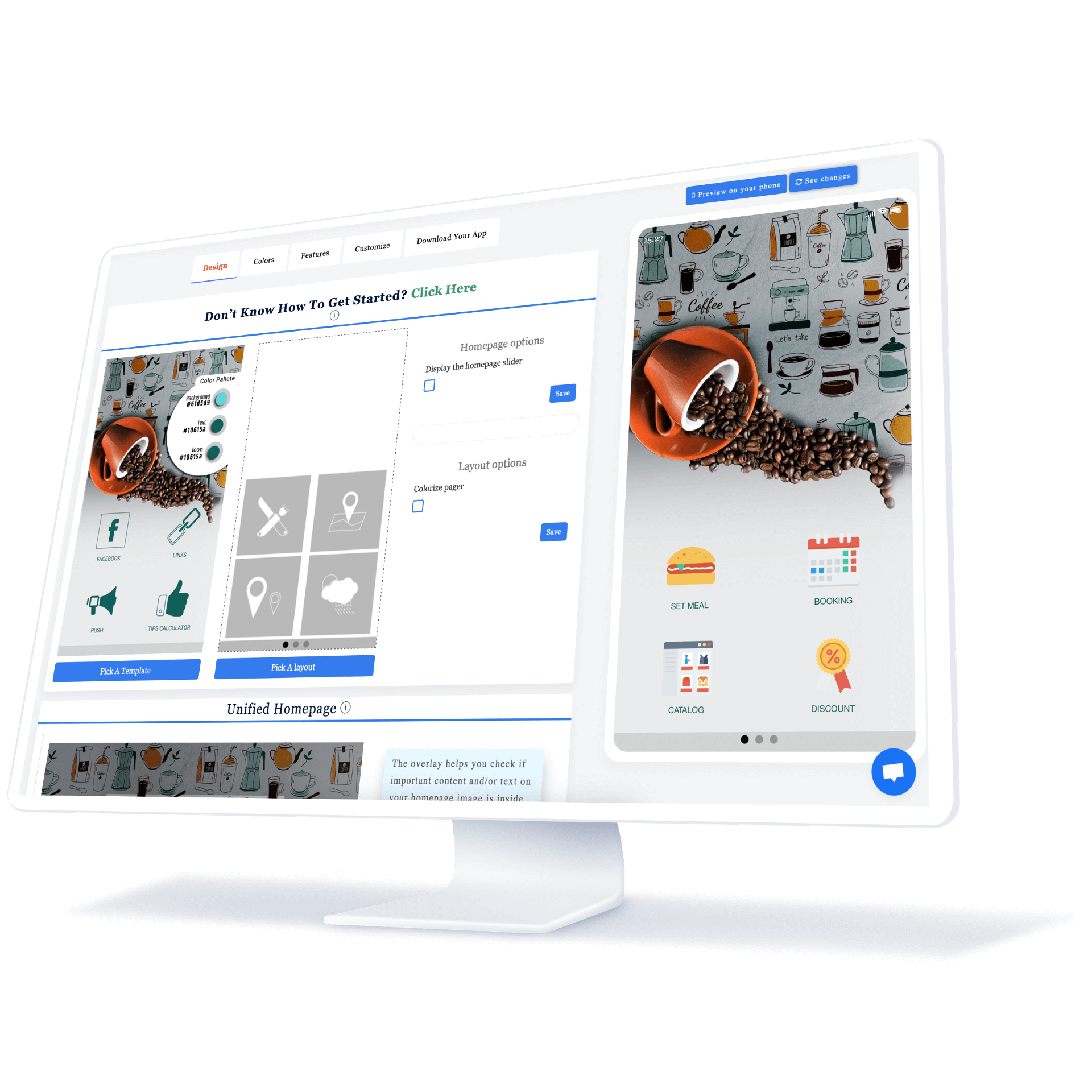
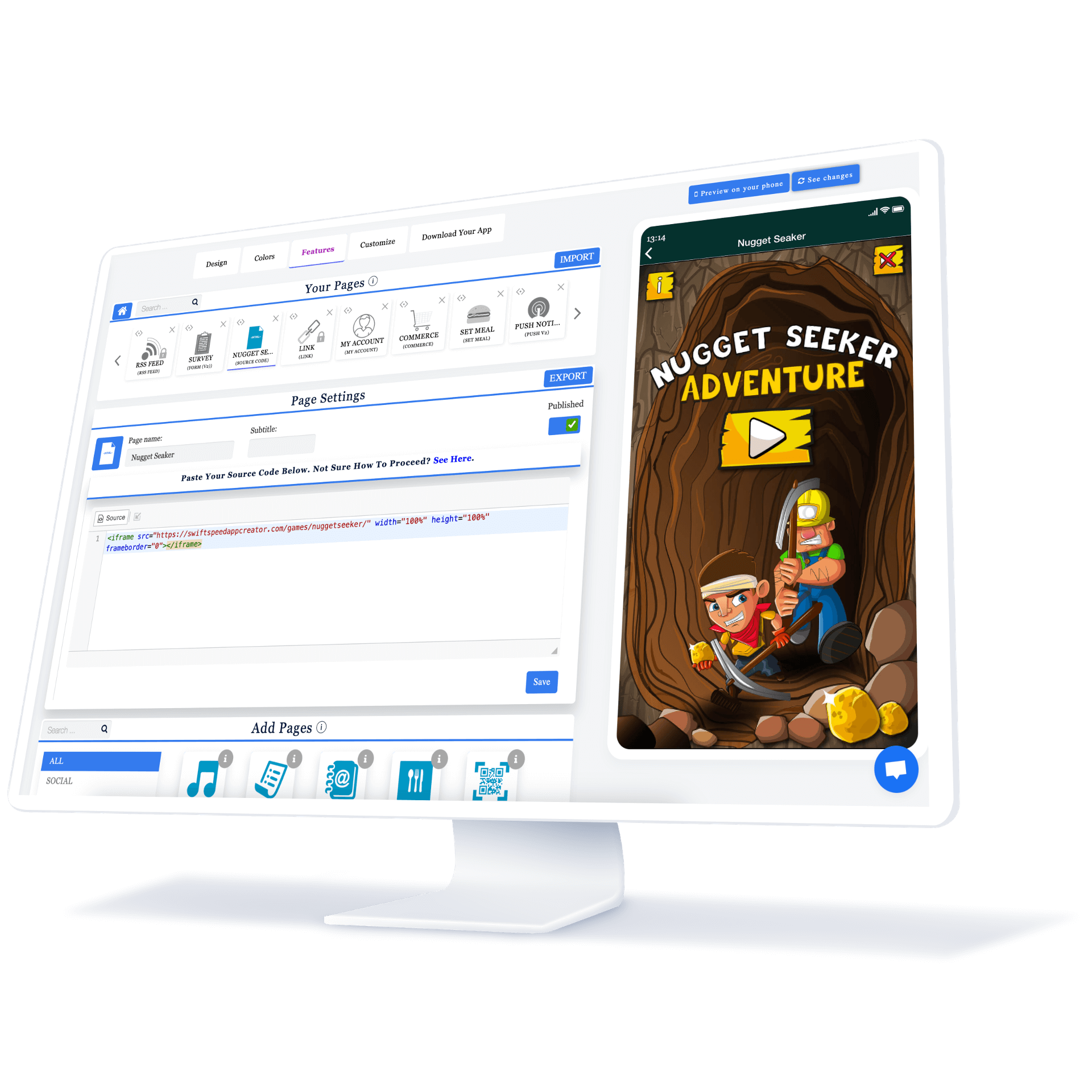
Make an app with Appbuilder24
Create premium apps without writing a single line of code, thanks to our user-friendly app builder. Build an app for your website or business with ease.
Advantages of Mobile App Marketing vs. Other Promotional Tools
The average smartphone has around 26 apps installed, but only 9 or 10 get used on any given day. For app marketers, the competition is a defined, finite set of alternatives on each user’s device. Compare that to search marketing, where your page competes with millions of others for the same query, or content marketing, where the volume of published material grows faster than any single publisher can keep up with.
Social Networking vs. Mobile App Marketing
Social media marketing is well-established and crowded. Almost every business from sole traders to national chains maintains profiles on the major platforms, which means the competition for attention in any feed is significant.
The structural problem with social media as a marketing channel is user intent. Most people open their feed to be entertained or to stay connected with people they know, not to find products. A promoted post interrupts that experience rather than fitting naturally into it.
A mobile app gives you a dedicated channel with no algorithm controlling who sees your content. When someone has installed your app, they have already made an active choice to connect with your business. That is a fundamentally different relationship than following a page or subscribing to an email list.
3 Things You Stand To Profit By Creating a Mobile Application
1. Earn Money
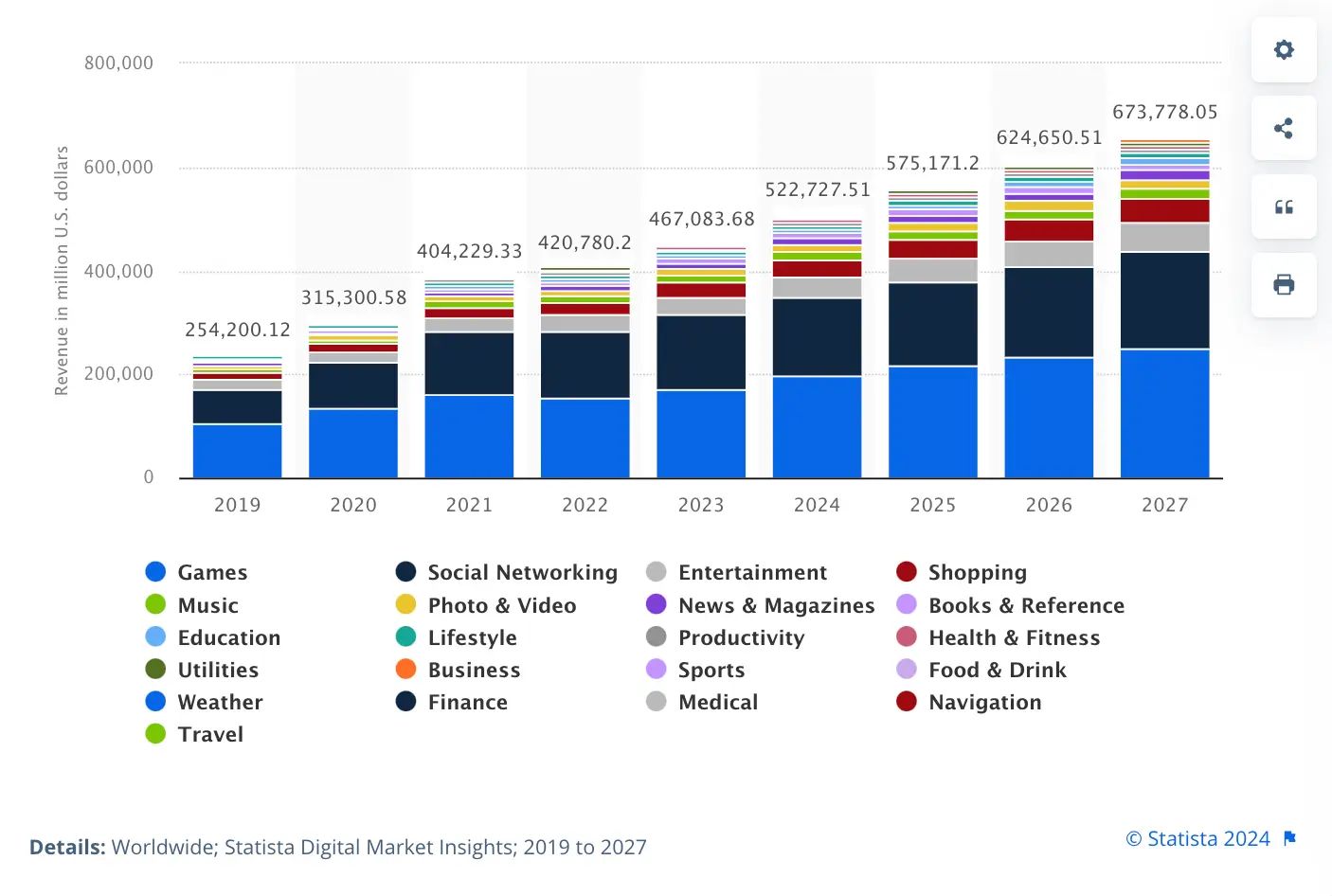
- A mobile app creates revenue pathways that a website cannot easily replicate. In-app purchases, subscription tiers, and ad placements can all generate income independently. For businesses with a returning audience, those revenue streams compound as the user base grows.
2. Reach a Different Set of Consumers
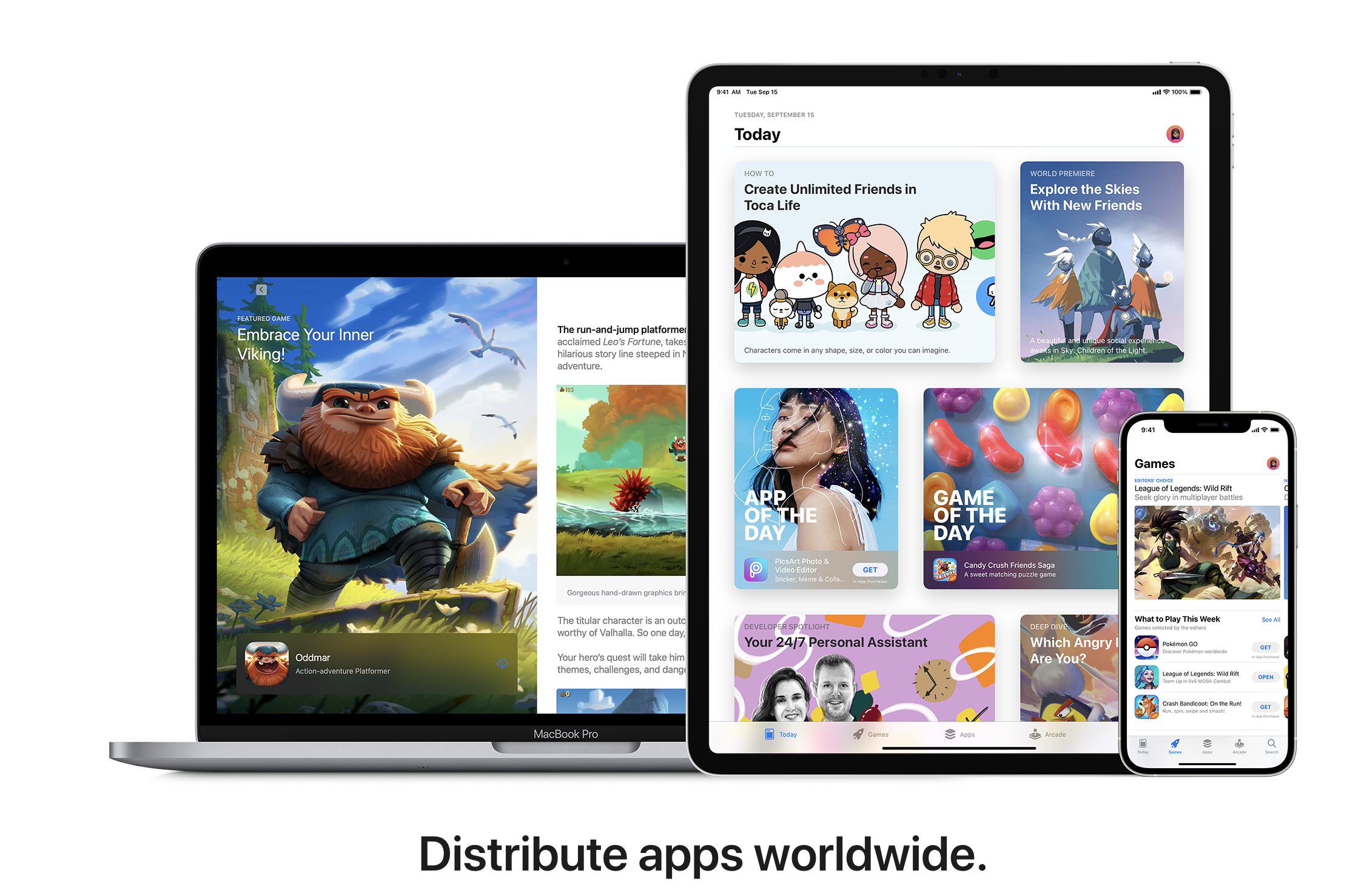
- App store listings are a discovery channel in their own right. Users searching for apps in your category may find your business for the first time through the App Store or Google Play, people who would never have found you through web search or social media.
3. Showcase Goods and Services
- An app gives you complete control over how your products and services are presented. Unlike a social platform where your content competes with everything else in the feed, your app’s interface is entirely dedicated to your brand and what you offer.
Building a mobile app adds a channel that works for your business around the clock, reaches new audiences through app store discovery, and gives existing customers a more convenient and engaging way to interact with you.
Small Business Mobile App Planning

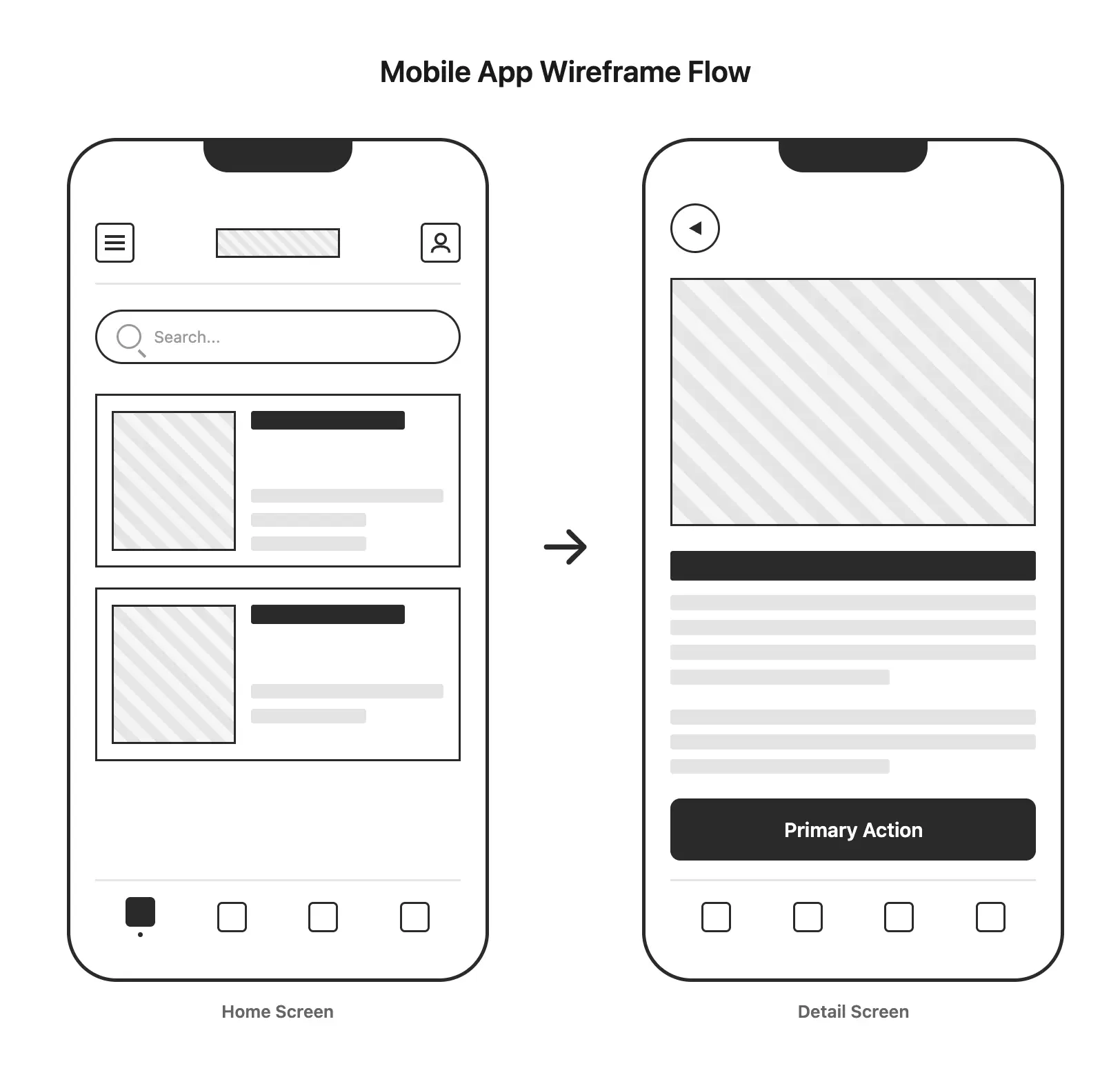
Once you have decided to build, get the right people involved early. For a small business, that might be just you and one or two others who understand what the business does and what customers actually need. The goal at this stage is not to design screens but to agree on what the app must accomplish and how you will measure whether it is working.
Start by listing every function you want the app to perform. Most app features fall into one of three categories: helping customers buy something, facilitating interaction with your business, or transferring information in both directions. Prioritize the features that serve your most frequent customer interactions first, and build from there.
Wrapping Up
Moving early on a mobile app gives you an advantage over competitors who are still debating whether it is worth the effort. By the time they launch, you will have real user data, app store reviews, and a head start on building the kind of regular engagement that keeps customers from switching.
With tools like Appbuilder24, you can build a functional, store-ready app for a fraction of the time and budget that custom development requires. Start with the features your business needs most and add more as you learn what your users actually want.

Sounds like a plan
Haha, Yes, it does.