

App install numbers are one of the first things investors, partners, and potential users look at when evaluating whether an app is worth their time. Beyond perception, installs directly drive monthly active users, retention data, and revenue potential, which makes growing them a foundational part of any app strategy.
Here is why raw install count matters more than it might appear on the surface:
- More installs mean more people are using and engaging with the app. This provides valuable data and feedback to improve the user experience.
- Higher install numbers signal that an app is appealing and useful to consumers. App store algorithms favor apps with more installs, leading to better rankings and visibility.
- Each additional install expands the pool of potential long-term active users. With a larger user base, there is more opportunity to convert and retain users.
- Increased installs allow apps to achieve critical mass. This results in network effects, social sharing, word-of-mouth growth, and reduced user acquisition costs over time.
- From a business perspective, more installs increase the sales potential for paid apps, in-app purchases, and subscriptions. More users to monetize allows apps to become sustainable and profitable.
Every other growth metric, engagement, retention, lifetime value, flows from having an installed user base to work with. The channels that drive installs are worth investing in early and continuously because the compounding effects of a growing install base build on each other over time. See the full picture in our guide to app monetization.
👉🏾 Other Appbuilder24 Users also read: 13 Powerful Mobile App Monetization Strategy You Can Use in 2023
Effective Tactics to Increase Your App Installs
Statista reports approximately 3 million apps available across Google Play and the Apple App Store as of Q3 2025. In that environment, getting a new app discovered and installed by its target users requires deliberate, sustained effort across multiple channels. The tactics below are the ones that actually move the install number.
Here are the tactics that work, in order of how most developers should prioritize them.
1. Optimize Store Listings
Your app store listing is where the conversion happens. A user who finds your app through any channel, search, social, or a referral link, will make the install decision based primarily on what your listing shows them. Getting this right is the highest-leverage thing you can do before spending anything on promotion.
Write Compelling Descriptions
Your description has one job: convince a user who found your app to install it. Lead with the clearest possible statement of what the app does and who it is for. Follow with the two or three features that differentiate it. Use plain language that any user in your target audience can understand without context. Localize the text for each significant market you are targeting.
Screenshots and Videos
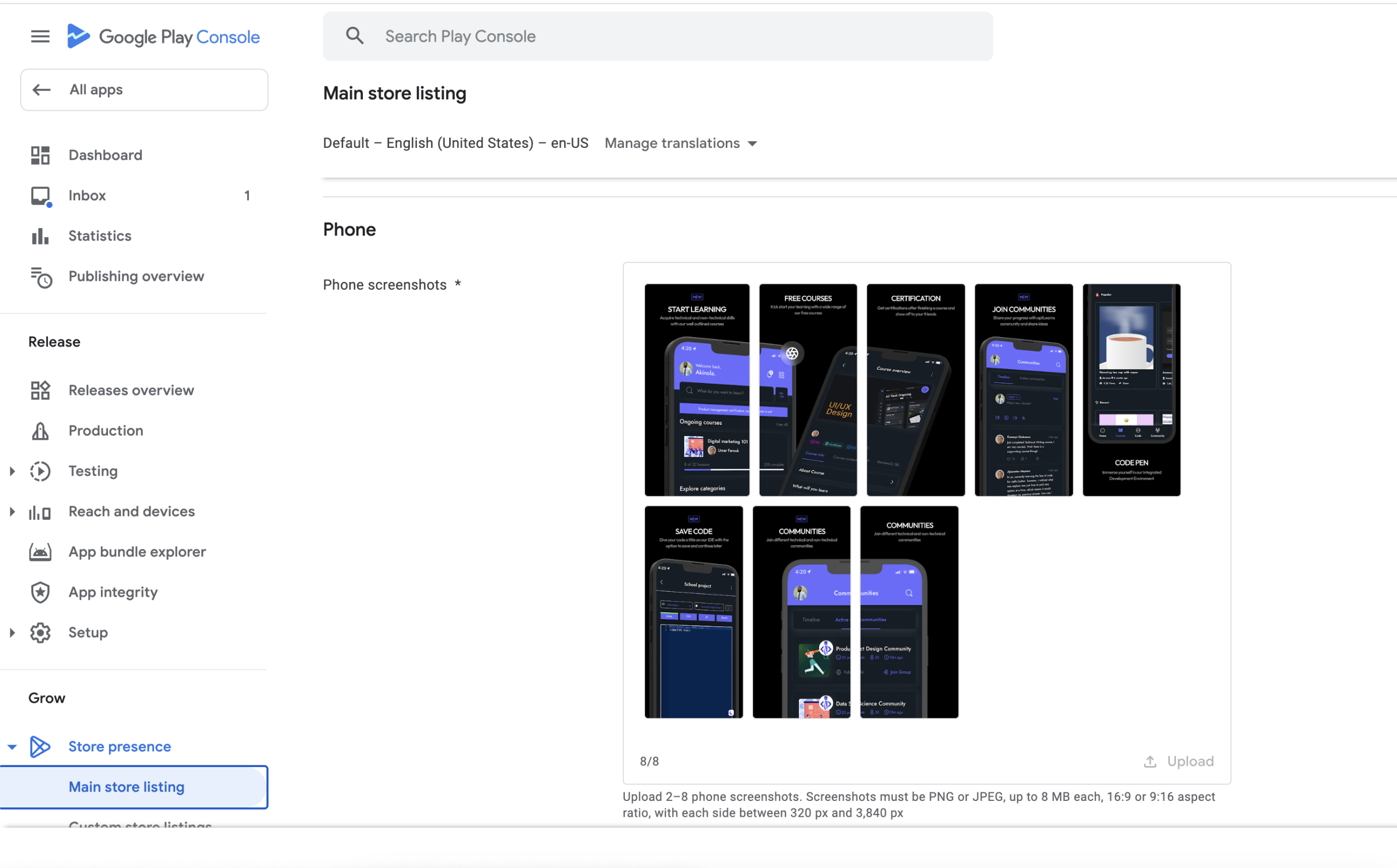
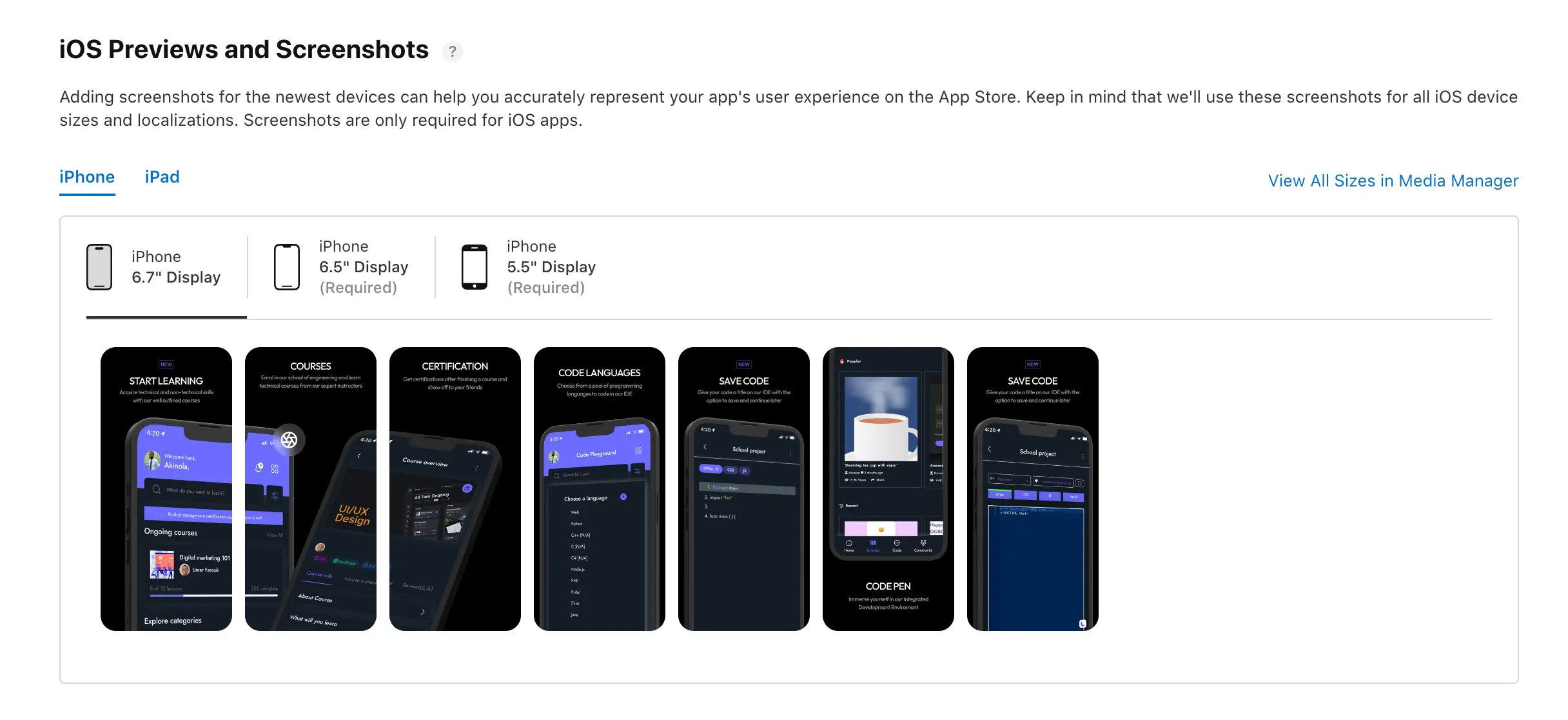
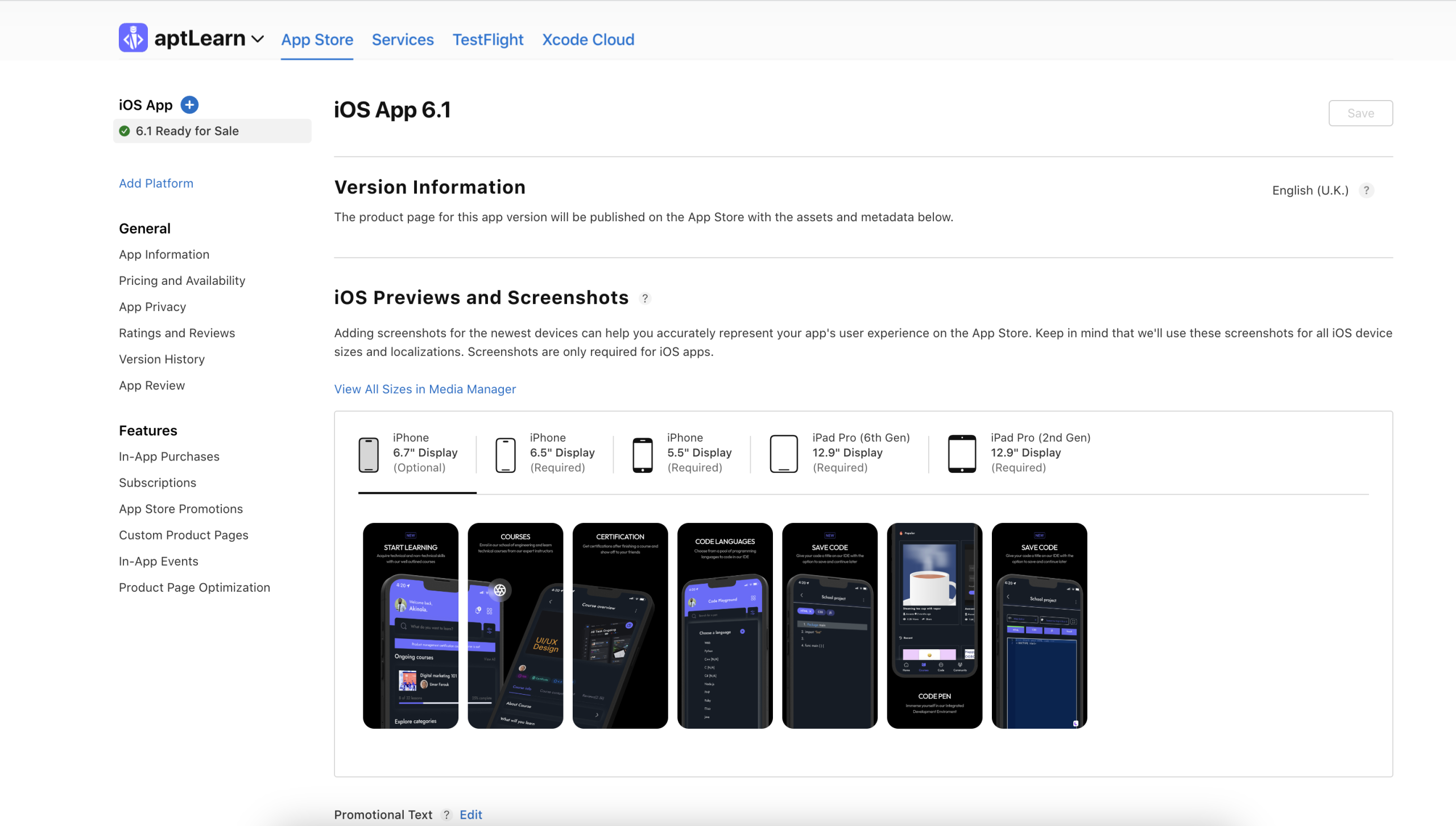
Your screenshots are often the deciding factor. Show the actual app screens your most engaged users spend time in, not just the onboarding flow. If you include a preview video, make it short and show real in-app interactions rather than a polished marketing production. Prepare assets for each device size and type the store supports.
A/B Test Listings
Both the Apple App Store and Google Play support product page testing. Run controlled experiments on your icon, screenshots, and description copy to identify what combination converts best for your specific audience. Change one element at a time so you can isolate what is actually driving any change in install rate.
Localize Listings
A listing in the user’s native language consistently outperforms a translated-from-English listing. Prioritize localization for your most significant target markets. In Japan, Korea, and China particularly, localized listings make a measurable difference in store search ranking and conversion rate.
Store listing optimization is an ongoing process, not a one-time task. Revisit your screenshots and copy after each significant update, and monitor how changes in the listing affect your install conversion rate.
2. Leverage on Influencers and Partners’ network
Word of mouth scaled through influencers and partner networks reaches audiences that paid ads often miss. People install apps because someone they follow or trust recommended it, and that trust transfers to the app itself.
Reach New Audiences
- Identify relevant influencers in your industry or niche and reach out to them about featuring or promoting your app. Micro-influencers with smaller but highly engaged audiences can be especially effective. Offer to pay them or provide compensation through free access to your app.
- See if complementary brands or companies would be interested in cross-promoting your app with their audience. The partner brand should have an audience that would benefit from and be interested in your app. Negotiate a co-marketing partnership where you promote their product to your audience in exchange for them promoting you to theirs.
Run Co-Marketing Campaigns
- Develop co-branded campaigns, content, or events with a strategic partner to promote your app to each other’s audiences. This could include social media campaigns, co-hosted webinars, joint interviews or podcasts, guest posts on each other’s blogs, or collaborative giveaways.
- Explore brand partnership opportunities with relevant companies to bundle your app with their products or services. This gets your app in front of new audiences already interested in those offerings.
Build an Affiliate Program
- Launch an affiliate program to incentivize others to promote your app. Offer competitive commissions or rewards when affiliates drive new app installs. Leverage affiliate networks or your own outreach to enroll relevant partners.
- Provide affiliates with promotional assets and resources to easily integrate your app into their platforms. Make it turnkey for them to share your app with their followers.
The key to making influencer and partner channels work is relevance. A micro-influencer with 20,000 followers in your exact niche will drive more qualified installs than a macro-influencer with 2 million followers who has never mentioned your category. Structure partnerships so the partner has a clear incentive and a simple mechanism for sharing your app.
3. Run App Install Ads
Paid install campaigns on platforms like Facebook, Instagram, and TikTok let you target specific user segments and pay on a per-install basis. This makes the cost structure predictable and directly tied to results, which is easier to manage than impression-based campaigns.
Before launching a campaign, build out a clear picture of your target user: their age range, interests, location, and which platforms they spend time on. Use that profile to build targeting segments rather than running broad campaigns and hoping for relevance.
Creative quality is what separates profitable install campaigns from ones that burn budget. Show the actual app experience in your ads, either as a short screen-recording video or a sharp screenshot with a clear caption. Make the call to action explicit: install now, try it free, get started today.
Retargeting is typically your highest-converting campaign type. Build custom audiences from people who visited your website, watched your video ads, or engaged with previous campaigns. These users already know you exist, so the barrier to install is lower than with a cold audience.
Track cost per install by campaign, ad set, and creative. Pause what is not performing and redirect budget toward what is. Experiment with new creative and new audiences on a defined test budget rather than scaling everything at once.
👉🏾 Other Appbuilder24 Users also read: 11 Powerful Strategies for Mobile App Marketing in 2023
4. Promote on Social Media
Social media works on two levels for app installs: organic content builds awareness and community over time, while paid campaigns deliver targeted reach on demand. Both are worth running, but they require different strategies and timelines.
Inspire Organic Reach
Organic growth on social requires consistency. Post content that is genuinely useful or interesting to your target audience, not just promotional material about your app. Feature real user stories, product tips, and behind-the-scenes content that makes people want to follow you before they ever think about installing.
User-generated content carries more credibility than anything your own team can produce. Create a specific hashtag and encourage your existing users to share how they use the app. Even a small number of authentic posts can reach new users through follower networks that paid ads would not reach cost-effectively.
Engage in Paid Social
Meta’s advertising platform gives you the most granular targeting options for reaching users by interest category, behavior, and device type. Short video ads showing the app in actual use consistently outperform static images in driving install intent.
Anyone who has visited your website but has not installed is already familiar with your brand. Retarget them with a specific message about the app and, where appropriate, a limited-time incentive to install now rather than later.
LinkedIn works particularly well for B2B or professional-use apps. Twitter is effective for apps built around news, finance, or community. Tailor creative and messaging to the context of each platform rather than running the same ad everywhere.
Do Giveaways and Create Promo Codes
Promo codes and giveaways create a defined moment that gives people a specific reason to act now rather than later. Distribute codes through influencer partners to extend reach, or run a share-to-enter format that generates user posts promoting your app as a side effect of the entry mechanism.
5. Do Email Marketing
Email is your most direct channel to people who already have some relationship with you, whether they are previous customers, newsletter subscribers, or leads who gave you their address but have not yet installed. It is also the channel you own completely, which makes it reliable in ways that platform-dependent channels are not. Here is how to use it to drive app installs:
Promote to Existing Users
- Send emails to users who have downloaded your app but haven’t opened it in a while. Remind them about your app and encourage them to re-engage.
- Promote new app features or content to existing users via email. This gives them a reason to reopen your app.
- Segment your email list based on user behavior, and tailor your messages accordingly. For example, send special offers to inactive users to incentivize them.
Newsletters and Drip Campaigns
- Send a regular newsletter featuring app updates, new features, special promotions, etc. This nurtures engagement.
- Set up a drip campaign to onboard new app users. Send a series of educational emails explaining key features.
- Develop drips around events and triggers. For instance, if a user hasn’t opened the app in 2 weeks, automatically send a re-engagement email.
- Test different email content, segmentation, timing, and cadence to optimize your campaigns. A/B testing can help improve results.
- Track opens, clicks, uninstalls, and other metrics to gauge email campaign performance. Tweak based on insights.
The best-performing email campaigns for app installs are specific rather than generic. A message that explains exactly what a user can do in the app that they cannot do on your website, tailored to what you know about that segment, converts at a significantly higher rate than a broadcast announcement.
6. Do PR and Content Marketing
Earned media, press coverage, app reviews, and organic content that gets shared, is one of the most cost-effective install drivers available. It takes longer to build than paid campaigns but produces trust that advertising cannot replicate.
- Get press mentions. Identify relevant media outlets and reporters that cover your app’s niche. Pitch them story ideas related to new features or milestones. Offer to provide an interview, guest article, or exclusive news. Press mentions lend credibility and boost brand awareness.
- Viral content campaigns. Create interesting, entertaining, or helpful content that encourages social shares. Infographics, listicles, video demos, and how-to articles can gain organic reach. Promote your content through influencers and paid ads. Viral content that gets shared expands your audience.
- App review outreach. Identify app review sites, influencers, and bloggers in your niche. Email them to pitch a review of your app. Offer a demo, exclusive access to premium features, or promotional codes for their audience. Positive app reviews boost credibility, provide social proof, and increase installs. Follow up with an email or tweet thanking them after the review.
Earned media and content marketing work best as long-term assets that continue driving installs after publication. A review on an app directory site or a favorable mention in a niche publication keeps generating traffic and installs for months after it goes live. Combine them with paid campaigns for immediate volume and organic channels for sustained growth.
7. Run Contests and Sweepstakes
Contests and sweepstakes create urgency and give users a concrete reason to install the app before a deadline. They work particularly well for early-stage apps that need to build initial volume and for driving installs in a specific short window.
Some ideas for contests and sweepstakes include:
Instagram Contests
Run a contest on Instagram where users have to download your app and post a photo with a certain hashtag to enter. The prize could be a gift card, free subscription, or your app’s products/services. Make sure to promote the contest through your Instagram feed, stories, and influencers.
App Referral Programs
Encourage your existing users to refer friends by offering rewards for successful referrals that lead to new app installs. For example, provide a discount code or exclusive content to both the referrer and referee.
App Launch Giveaways
When launching your app, generate excitement by giving away prizes to early adopters who download and try out your app within the first week. Prizes could include free subscriptions, early access to new features, or merchandise.
Social Media Follower Contests
Run a contest on social media asking users to follow you and share a post about your app for a chance to win a prize. The more users who see the content, the more potential for new installs.
Sweepstakes
Host a simple sweepstakes where entrants fill out a form with their contact information to be entered to win a prize. Promote the sweepstakes through your website, social channels, and email lists.
The prize should be something your target user actually values, not just a generic gift card. Offering exclusive in-app features, extended subscriptions, or early access to upcoming content works well because it connects the reward to the app itself and attracts users who are genuinely interested in what you have built.
8. Optimize for App Store SEO
App store search is responsible for a significant portion of organic installs across both stores. With millions of apps available, ranking well for the searches your target users are running is one of the most reliable and cost-free sources of installs you can build. Here is how to approach it:
Keyword Optimization
- Research relevant keywords people are searching for in your app’s category and niche.
- Include the most important keywords in your title, subtitle, keywords field, and description. But don’t just stuff these with keywords – make sure they still read naturally.
- Consider keyword variations and longer phrases like “meditation app” vs. just “meditation.” Long tail keywords can help you rank for more specific searches.
Ratings and Reviews
- Getting more positive ratings and reviews will directly influence your rankings. Prompt satisfied users to leave reviews through in-app messaging or email campaigns.
- Respond professionally to negative feedback and quickly resolve any bugs or issues users mention. This shows you care and improves future ratings.
- Localize your app and ratings in other languages to broaden your reach and rankings globally.
ASO Tools
- Use ASO tools like AppTweak, SensorTower, and Data AI (formerly App Annie) to analyze competitors’ rankings, monitor your keyword positions, track ratings, and more.
- Test changes to your keywords and monitor rankings over time to see what works. Iteratively refine your page for better optimization.
- Check your install page on the App Store for issues under different conditions like mobile vs desktop. Fix any display problems impacting conversions.
Good app store SEO is not a one-time configuration. Revisit your keyword set quarterly, monitor competitor movements, and update metadata after each major feature release. Rankings compound over time as installs and ratings accumulate.
Make an app with Appbuilder24
Create premium apps without writing a single line of code, thanks to our user-friendly app builder. Build an app for your website or business with ease.
8. Finally, Analyze and Optimize
Running channels without tracking their performance is how marketing budgets get wasted. Analytics turns your install activity into decisions about where to spend more and where to cut back. Here is a structured approach to measurement:
Track Key Metrics
- Monitor app installs from each channel using attribution tracking. This allows you to see the number of installs driven by each marketing effort.
- Look at metrics like cost per install, lifetime value of users, retention rates, etc. This gives insight into the quality of users from each channel.
- Track in-app events like purchases, engagement, sharing, etc. to see how users from different channels behave in the app.
Attribution Modeling
- Implement attribution modeling like first-touch, last-touch or multi-touch attribution. This shows the customer journey across channels.
- Identify the channels driving awareness vs. conversions. Some channels are better at top-of-funnel conversions, while others drive bottom-of-funnel conversions.
- Attribute value appropriately across channels. Don’t give all the credit to the last click.
Double Down on Top Channels
- Identify the 1-2 channels driving the most high-quality and profitable installs.
- Shift more of the budget and focus on the top performers instead of spreading efforts thinly.
- Continue testing new channels on a small scale in case they prove successful. But double down on what’s working.
- Regularly re-evaluate and optimize channel mix based on changing results. Don’t get stuck doing the same thing.
The teams that drive the most efficient install growth are not the ones who try the most channels. They are the ones who identify their top two or three performers and invest in them consistently while keeping a defined experiment budget for testing new options.
Final Thoughts
Install growth does not happen by accident. It is the result of deliberate work across store optimization, targeted promotion, and ongoing measurement. App creators who treat each of these channels as a system to be optimized, rather than a box to be checked, are the ones who consistently grow their user base.
Start with a strong app title and store listing. Make sure the app design is clean enough that new users understand it within their first session. Features and functionality that solve a real problem are what turn first-time installers into long-term users. Get those fundamentals right before scaling your paid install spend.
Reviews are one of the few things that potential users trust more than your own marketing. Build a process for collecting them from satisfied users, and respond to negative reviews in a way that shows you take feedback seriously. If you are still in the process of building your app, a white-label platform or no-code app builder can get you to market faster, which means you start collecting real installs and reviews sooner.
Hello, I have an application under development here at appbuilder24 and I can say that your post was very important not only for me but for everyone who wants to publish their applications. Thank you very much.
Hello Natan, thanks for your input, you are our valued customer and we are glad you found the article helpful.