
Getting an app from idea to live listing involves more than just coding. The submission process for both major app stores involves strict review criteria, ongoing policy compliance, and a revenue split that not every developer is happy to accept when building their app.
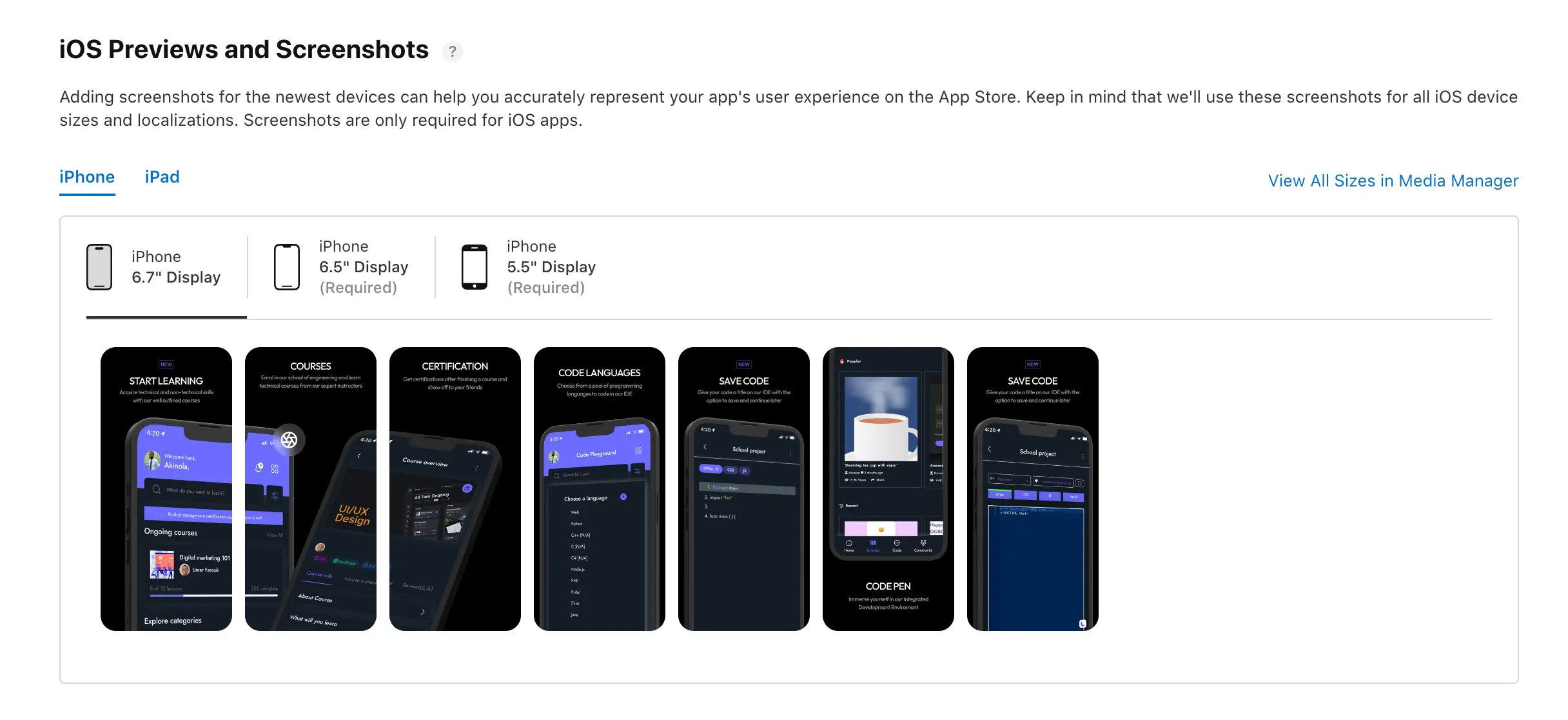
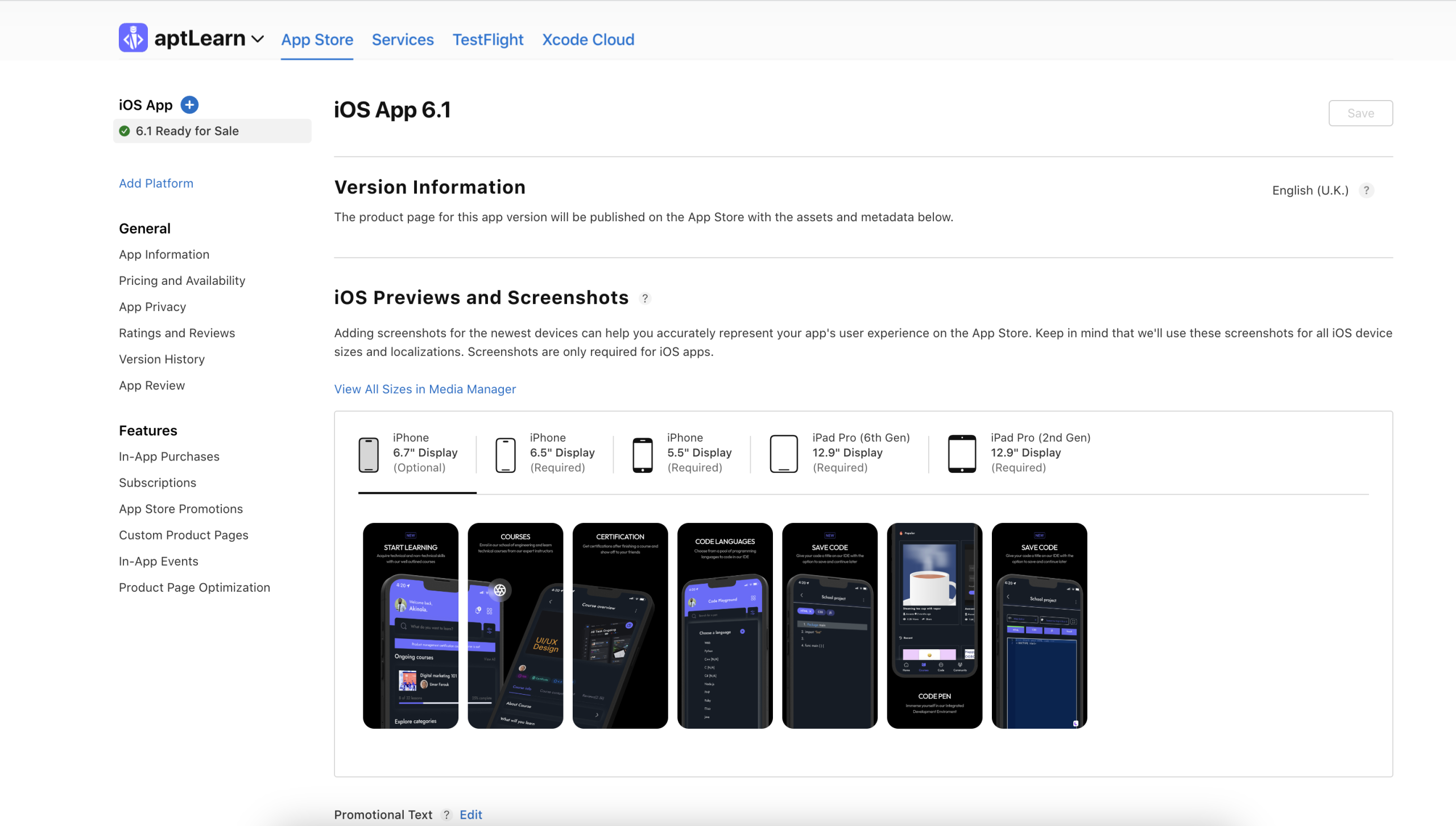
Both Google and Apple take a percentage of every paid download and in-app purchase. Beyond the revenue cut, getting listed at all can be an ordeal: one developer using Appbuilder24 had their app rejected 27 times before it finally passed review on the 28th submission.
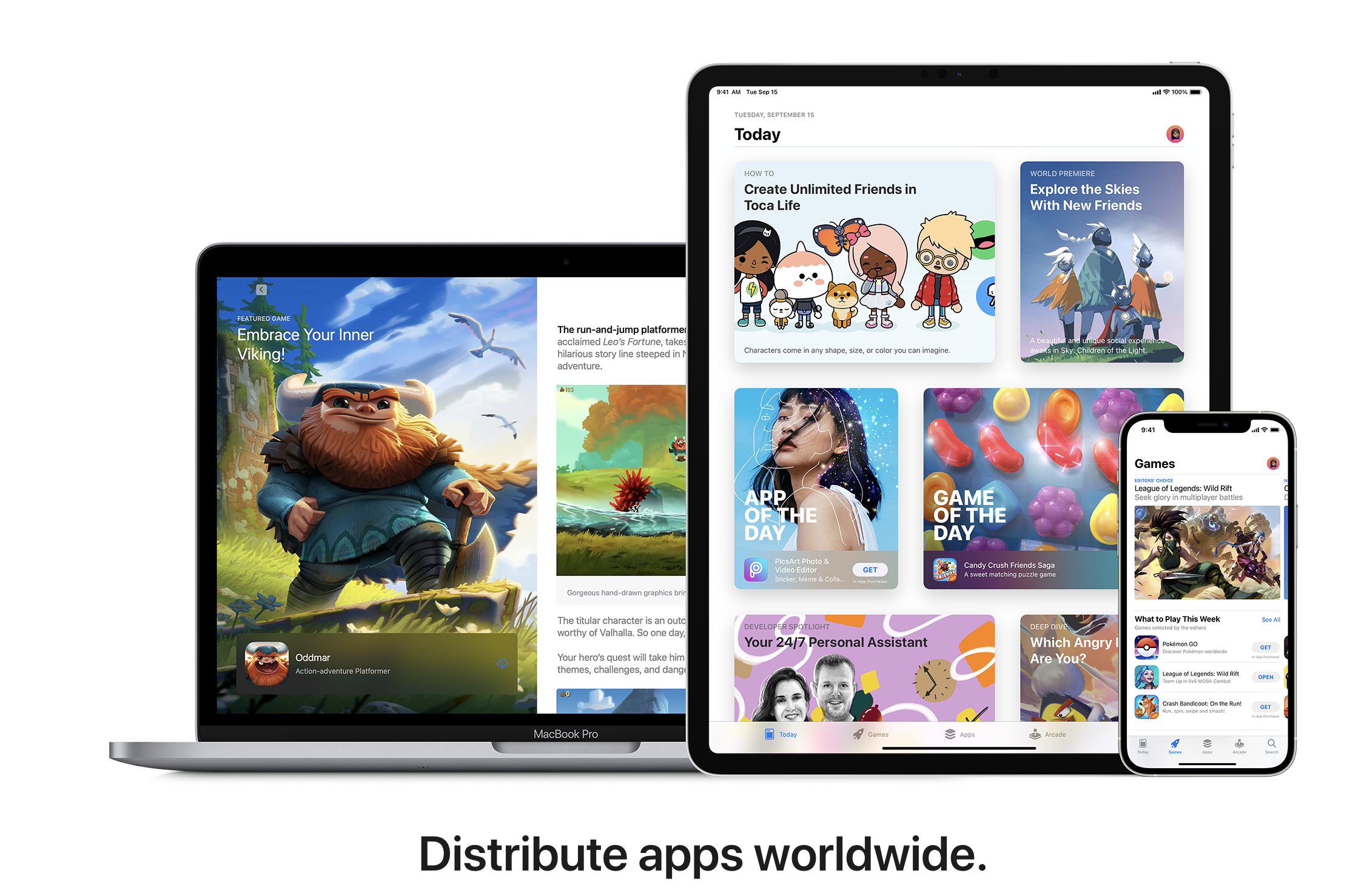
A growing number of alternative distribution platforms give developers more control over terms, revenue, and audience reach. Many of them carry active, loyal user bases that install apps at rates that rival the mainstream stores in their respective regions.
From the user side, the mainstream stores increasingly surface the same high-budget apps. Alternative platforms tend to carry more niche, indie, and region-specific apps that never make it through Apple’s approval process or get buried in Google Play’s search results.
👉🏾 Other Appbuilder24 Users Have Read: Powerful App Monetization Strategy To Earn More
This breakdown covers the top alternative stores for both Android and iOS, with honest ratings and the key details developers need before submitting. Users looking for apps outside the mainstream will also find it useful.
Full list of Google Play and App Store Alternatives in 2024
Why do you need alternatives to Google Play and App Store?
Two distinct groups benefit most from looking beyond Google Play and the App Store:
- For Developers: Reducing Platform Dependency Relying on a single store means accepting that store’s rules on revenue splits, API compliance, and content policies, all of which can change at any time. Google enforces an annual minimum API target that forces rebuilds, and a single policy violation can suspend your listing without warning. Publishing across multiple stores spreads that risk. It also opens revenue channels in markets where Google Play or the App Store have limited reach or payment support.
- For Users: Finding Apps the Big Stores Won’t Carry The ranking algorithms on both major stores push established apps with large review counts to the top, which makes finding new or niche software genuinely difficult. Alternative stores tend to have smaller catalogs with less noise, and they often carry apps that the mainstream gatekeepers have rejected for reasons unrelated to quality, whether that’s content policies, technical criteria, or simply the developer’s choice not to pay the listing fees.
Here’s the full breakdown by platform.
Google Play Store Alternatives – Android App Store Alternatives
Google Play is the default for Android because Google built the OS, and that integration advantage is real. But being the default does not mean it’s the only option worth taking seriously. Several alternative Android stores have built substantial audiences in specific regions and device categories.
The 30% revenue share Google takes is a known friction point. Add to that the volume of competing apps in every category, and new developers often find their listing gets very little organic traffic in the first months. Alternative Android stores give you a shot at a less crowded marketplace, often with lower or no listing fees.
Android’s architecture allows sideloading, which means users can install APK files from any source outside the Play Store. This makes the Android alternative store ecosystem far more viable than its iOS counterpart, since no jailbreak is required.
The most prominent example of bypassing mainstream distribution came when Epic Games pulled Fortnite from both Google Play and the App Store during its revenue dispute with the platforms, choosing instead to distribute the APK directly from its website. The move cost them in discoverability but removed the platform tax entirely. That said, sideloading carries real security considerations: users should only install APKs from sources they can verify, since the Play Store’s malware scanning does not apply to sideloaded files.
Here are the ten best Google Play alternatives ranked by our team’s testing and user survey data:
| App Store Alternative | Rating |
|---|---|
| 10. OPPO App Market | ⭐⭐⭐⭐ 4/5 |
| 9. Amazon App Store | ⭐⭐⭐⭐⭐ 5/5 |
| 8. Palm Store (Transsion Developer) | ⭐⭐⭐ 3/5 |
| 7. Huawei App Gallery | ⭐⭐⭐⭐ 4/5 |
| 6. Aptoide | ⭐⭐⭐ 3/5 |
| 5. SlideME | ⭐⭐⭐ 3/5 |
| 4. GetJar | ⭐⭐ 2/5 |
| 3. F-Droid | ⭐⭐⭐⭐⭐ 5/5 |
| 2. Galaxy Store (Samsung) | ⭐⭐⭐⭐ 4/5 |
| 1. APK Mirror | ⭐⭐⭐ ⭐⭐ 5/5 |
Ratings reflect a combination of first-hand testing and developer feedback gathered through user surveys. Read the full descriptions below for context on how each store performs in practice.
10. OPPO App Market – Google Play Alternative
Rating: ⭐⭐⭐⭐ 4/5
The OPPO App Market has built real traction in Sub-Saharan Africa and Southeast Asia, where OPPO devices have captured significant market share. Developers targeting those regions can access a large installed base that actively uses the OPPO store as their primary app source. Creating a developer account is free and the onboarding process is straightforward.
With millions of OPPO devices in active use across those regions, the store sees consistent daily traffic from users who treat it as their default, not just a fallback.
Features:
- Strong foothold in Sub-Saharan Africa
- Millions of devices sold
- Easy developer account setup
9. Amazon App Store – Google Play Alternative
Rating: ⭐⭐⭐⭐⭐ 5/5
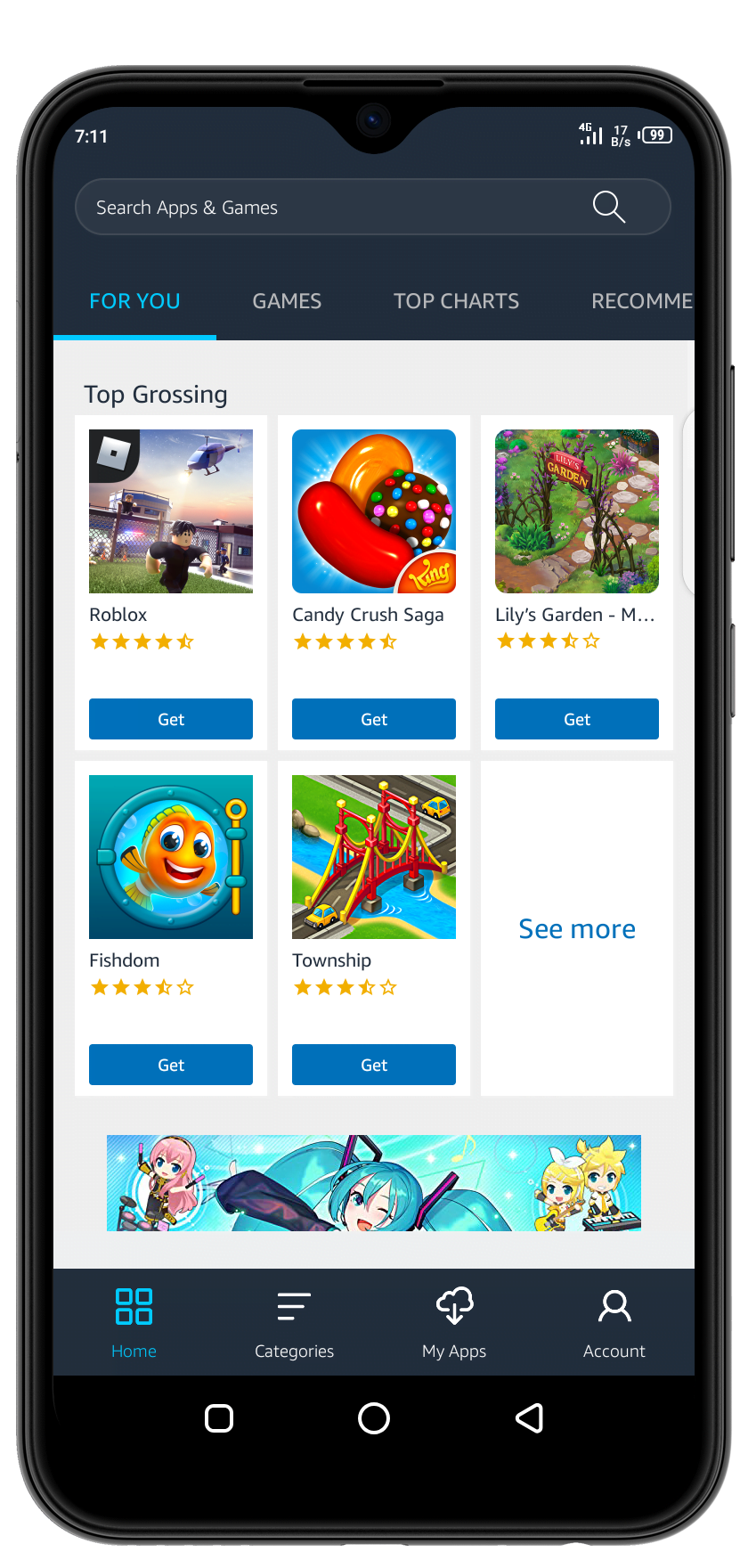
The Amazon App Store runs on all Fire devices and is available as a sideload on standard Android devices. Given the sheer size of Amazon’s ecosystem, the potential audience here is one of the largest outside Google Play. Developer accounts are free, and the store integrates with Amazon’s in-app purchasing API for consistent payment handling across markets.
Features:
- Free developer account
- Millions of daily downloads
- Diversified user base
8. Palm Store (Transsion Developer) – Google Play Alternative
Rating: ⭐⭐⭐ 3/5
Tecno and Infinix are among the best-selling smartphone brands in Africa and parts of Asia, and the Palm Store is the default app market pre-installed on those devices. Developers who publish here reach users who may not have strong Google Play habits, making it a useful channel for growing an audience in underserved markets.
Features:
- Owned by Tecno and Infinix
- Global distribution platform
- Free developer account
- Free apps download
7. Huawei App Gallery – Google Play Alternative
Rating: ⭐⭐⭐⭐ 4/5
Huawei’s App Gallery became a necessity for Huawei when US trade restrictions cut access to Google services. The result is a fully developed store running on Harmony OS with hundreds of millions of active users across Huawei’s global device base. The platform uses four-layer security review and requires developer identity verification before listing, which keeps the catalog quality high.
Features:
- Four-layer security system
- Developer identity verification
- Free developer account
- For Huwei Mobile Users
6. Aptoide – Google Play Alternative
Rating: ⭐⭐⭐ 3/5
Aptoide takes a decentralized approach: developers and third parties can create and manage their own storefronts within the platform. Users browse across these individual stores, and app discovery happens through community ratings and social sharing rather than algorithmic promotion. For developers who want more control over their storefront experience, Aptoide is one of the most flexible options available.
Features:
- Community-driven approach
- Customizable app store
- Social collaboration features
5. SlideME – Google Play Alternative
Rating: ⭐⭐⭐ 3/5
SlideME stands out for its payment infrastructure. It supports markets and payment methods that Google Play does not, which matters particularly for developers monetizing apps in regions where Google’s billing options are limited. The catalog includes both free and paid apps across a broad range of categories.
Features:
- Global payment solutions
- Wide range of free and premium apps
- Free developer account
👉🏾 Other Appbuilder24 Users Have Read: Complete list of top mobile app stores in 2024
4. GetJar – Google Play Alternative
Rating: ⭐⭐ 2/5
GetJar has been distributing apps since before the modern smartphone era and carries content across multiple platforms including Android. Its age is both a strength and a limitation: the platform has an established audience but the interface and app catalog have not kept pace with newer stores. Worth listing on for the long-tail traffic, but not a primary distribution channel.
Features:
- Cross-platform support
- Diverse app categories
- Long-standing reputation
3. F-Droid – Google Play Alternative
Rating: ⭐⭐⭐⭐⭐ 5/5
F-Droid exclusively carries free and open-source software. Every app in the catalog has verifiable source code, which makes it the go-to store for privacy-focused users and developers who want their open-source work to reach an audience that values it. If your app is closed-source or monetized through in-app purchases, this is not the right platform, but for FOSS projects it is the best option.
Features:
- Free and open-source apps
- Strong focus on privacy
- Community-driven
2. Galaxy Store (Samsung) – Google Play Alternative
Rating: ⭐⭐⭐⭐ 4/5
The Galaxy Store comes pre-installed on every Samsung device and serves hundreds of millions of active users. Samsung regularly promotes exclusive or early-access apps through the store, giving developers who optimize for Samsung hardware a genuine visibility advantage over their Play Store listing. It’s particularly valuable if your app uses Samsung-specific features like DeX mode or the S Pen.
Features:
- Optimized for Samsung ecosystem
- Exclusive Samsung apps
- Pre-installed on Samsung devices
You may also like: How do Free Apps Make Money in 2024? strategies Exposed
1. aPK Mirror – Google Play Alternative
Rating: ⭐⭐⭐⭐⭐ 5/5
APK Mirror is best known as a trusted repository for APK files, including older versions and region-locked releases. Developers use it to distribute builds that are not yet live on Play Store, and users trust it for its verification process, which checks cryptographic signatures to confirm a file matches the official release.
Features:
- Analytics tools for developers
- Promotional opportunities
- Wide range of apps and games
Each of these Android alternatives serves a different audience. Choosing the right ones depends on your target region, your app’s content category, and the payment infrastructure your users need. Most developers benefit from publishing on two or three of these alongside their Play Store listing rather than treating any single platform as an either-or choice.
Before covering iOS alternatives:
Before any of these stores becomes relevant, you need a working app to submit. Appbuilder24 gives you a no-code path to building one: a full-featured mobile app platform that generates a ready-to-submit APK or AAB without requiring any code. Whether you’re starting from scratch or converting an existing web presence into an app, the platform handles the technical output so you can focus on the product. Once you’re ready, publishing to any of these stores follows the same build file.
Make an app with Appbuilder24
Create premium apps without writing a single line of code, thanks to our user-friendly app builder. Build an app for your website or business with ease.
The range of available feature modules covers e-commerce, audio, video, forms, bookings, maps, and more. Each module can be configured without touching code, and the output is a native-quality APK or AAB compatible with every store listed in this article.
Once your build is ready, you can submit the same app to multiple stores simultaneously. Getting started on Appbuilder24 is free.
Apple App Store Alternatives – iOS App Store Alternatives
Apple’s review process is among the most demanding in software publishing. Every update goes through human review against a long list of guidelines that change periodically, and a rejection on technical grounds requires a full resubmission cycle. One developer in our community had their app rejected 27 times across 28 attempts before it finally went live. That kind of persistence is not realistic for every team or solo developer.
Apple’s ecosystem does offer real benefits, including strong payment infrastructure and a user base with high spending rates. But the restrictive review process and mandatory 30% commission on App Store transactions push some developers toward alternatives. On the user side, the subscription-heavy App Store catalog leaves many looking for apps that offer more flexibility.
👉🏾 Other Appbuilder24 Users Have Read: How To Avoid App Store Rejection
Many legitimate apps never pass Apple’s review or are pulled after policy changes, leaving their developers with no official distribution channel. iOS alternative stores fill that gap, though with varying degrees of friction depending on whether they require jailbreaking or rely on enterprise certificates. Here are the main options currently available.
Ratings below come from direct testing and developer surveys. Check the descriptions for each platform before deciding where to submit.
| Apple App Store Alternative | Rating |
|---|---|
| BuildStore | ⭐⭐⭐⭐⭐ 5/5 |
| Cydia | ⭐⭐⭐⭐ 4/5 |
| Xabi | ⭐⭐⭐⭐ 4/5 |
| iOS Heaven | ⭐⭐⭐⭐ 4/5 |
| Appland | ⭐⭐⭐ 3/5 |
| AltStore | ⭐⭐⭐⭐⭐ 5/5 |
| CokerNutX | ⭐⭐⭐ 3/5 |
| Tweakbox | ⭐⭐⭐ 3/5 |
| App Valley | ⭐⭐⭐⭐⭐ 5/5 |
| Getjar | ⭐⭐⭐⭐ 4/5 |
1. BuildStore: App Store Alternatives
Rating: ⭐⭐⭐⭐⭐ 5/5
BuildStore has been distributing iOS apps outside the official store since 2013. The catalog focuses on modified and exclusive apps not available through Apple, and each submission goes through manual testing before listing. With over 15,000 daily active users and 300-plus unique titles, it is one of the more established options in the iOS third-party space.
Features:
- Over 300+ unique apps and games
- “Request an App” feature
- 24/7 customer support
- No jailbreak required
2. Cydia: App Store Alternatives
Rating: ⭐⭐⭐⭐ 4/5
Cydia predates almost every other third-party iOS store, having launched alongside the first iOS jailbreak tools. It started as jailbreak-only, but current versions offer installation paths that do not require a full jailbreak. Compatibility spans essentially all iOS versions and most jailbroken device configurations.
Features:
- Jailbreak compatibility
- Supports all iOS versions
- User-friendly interface
3. Xabsi: App Store Alternatives
Rating: ⭐⭐⭐⭐ 4/5
Xabsi is a newer entrant with a growing catalog of apps that have not been approved for the official App Store. Some features are free, others are behind a paywall, and certain apps in the catalog require a jailbroken device to run properly. Worth checking if you are targeting the jailbreak community.
Features:
- Compatible with all iOS versions
- Offers both free and premium features
- Requires jailbreaking for some apps
4. iOS Heaven: App Store Alternatives
Rating: ⭐⭐⭐⭐ 4/5
iOS Heaven delivers apps through a web interface, meaning users install apps by visiting the site in Safari rather than downloading a separate store app. This lowers the barrier to entry for users who are cautious about installing third-party applications, while still providing access to a broader app selection than the official store.
Features:
- Web-based platform
- Fast loading and downloading speeds
- A wide range of software is available
5. Appland: App Store Alternatives
Rating: ⭐⭐⭐ 3/5
Appland operates both as a downloadable app and a web platform, and it gives developers the ability to set up a branded storefront with regional targeting. If your strategy involves direct-to-consumer distribution in specific markets, Appland’s infrastructure for regional stores and operator billing can be a practical fit.
Features:
- Regional targeting for users
- Revenue-generating capabilities
- Available as both an app and a website
6. AltStore: App Store Alternatives
Rating: ⭐⭐⭐⭐⭐ 5/5
AltStore is the cleanest iOS alternative for users who want to avoid jailbreaking. It uses a companion desktop app to sign and install .ipa files directly, bypassing Apple’s distribution requirements without modifying the iOS system. The approach is technically creative and the platform is maintained by independent developers committed to keeping it functioning across iOS updates.
Features:
- No jailbreak required
- Allows installation of third-party apps
- Open-code platform
7. CokerNutX: App Store Alternatives
Rating: ⭐⭐⭐ 3/5
CokerNutX provides a broad catalog of iOS apps, games, and system tweaks at no cost to the user. It works across all iOS versions and uses SSL encryption throughout the download process. A reasonable option for users who want a large free catalog without the complexity of jailbreaking.
Features:
- Supports all iOS versions
- Free to use
- SSL encryption for security
8. Tweakbox: App Store Alternatives
Rating: ⭐⭐⭐ 3/5
Tweakbox runs on all iPhones and iPads and presents its catalog through a clean, browsable interface. It carries both standard apps and modified versions with features removed or unlocked compared to the official App Store releases. Setup is straightforward with no jailbreak required.
Features:
- User-friendly interface
- Supports all iPhones and iPads
- Wide range of apps and games
9. App Valley: App Store Alternatives
Rating: ⭐⭐⭐⭐⭐ 5/5
App Valley carries a catalog of free iOS apps and games across a range of categories. It works on most iOS versions and the interface is straightforward enough for non-technical users to navigate. A good starting point for users who are new to iOS third-party stores.
Features:
- Easy-to-install
- User-friendly interface
- Compatible with almost all iOS versions
10. IPAMOTK: App Store Alternatives
Rating: ⭐⭐⭐⭐ 4/5
IPAMOTK maintains a wide catalog of iOS apps with a reliable download verification process. The experience is hurt somewhat by high ad density on the site, but the actual downloads are clean and the platform has maintained consistent uptime.
Features:
- Easy to use
- Fast and secure downloads
- A wide range of apps available
Each of these iOS alternatives serves a different use case: some require jailbreaking, some work through enterprise certificates, and others like AltStore take a more creative technical approach. Research the current status of whichever platform you choose, since third-party iOS stores can be affected by Apple’s ongoing enforcement actions.
Wrapping Up on Google Play and App Store Alternatives
Google Play and the App Store handle the vast majority of app distribution, but they are not the only viable channels. The alternative stores covered here collectively reach hundreds of millions of users, many in markets where the mainstream platforms have gaps in payment support, content coverage, or device availability.
Publishing across multiple stores is not a significant extra burden once your build pipeline is set up. The same APK you submit to Google Play can go to Amazon, the Galaxy Store, and Huawei App Gallery with minimal additional configuration. Each listing creates another discovery surface for users who might not search the Play Store first.
The iOS landscape is more constrained since Apple does not permit sideloading on non-jailbroken devices, but the tools in this list show that there are still viable paths for distribution outside the official store. The ratings throughout this article draw on hands-on testing and direct feedback from developers and users. Treat them as a starting point for your own evaluation rather than a final verdict, since platform quality and stability in the third-party store space can shift.
The next time a rejection or a revenue disagreement with a major platform creates an obstacle, these alternatives are worth a serious look. The mainstream stores are dominant but they are not the whole market.

Maybe a little
Could you be clearer with your comment?
My first app
You can follow the guide to publish your app on Android App stores